Why Choose the Best Window Tint Chattanooga TN?
When it comes to enhancing the comfort and aesthetic appeal of your vehicle or home, choosing the best window tint Chattanooga TN can make all the difference. Window tinting not only adds an element of design but also offers numerous functional benefits that can improve your driving experience, provide safety, and protect your investment. In this article, we will explore the many dimensions of window tinting to help you make an informed decision.
Benefits of Window Tinting
Window tinting has a multitude of benefits, ranging from comfort to safety. Here are some key advantages:
- Heat Reduction: Window tint films reflect heat, keeping your vehicle or home cooler, especially during the hot summer months.
- UV Protection: Tinted windows block up to 99% of harmful ultraviolet rays, significantly reducing the risk of skin cancer and protecting interiors from fading.
- Enhanced Privacy: Tints add a layer of privacy, making it difficult for outsiders to see inside your vehicle or home.
- Improved Aesthetics: Tinted windows provide a sleek look that enhances the overall design of your vehicle or property.
- Shatter Resistance: Window films can hold shattered glass together, reducing the risk of injury and making break-ins harder.
Regulations and Compliance in Chattanooga TN
Before opting for window tinting, it's crucial to understand local laws. Chattanooga, TN has specific regulations regarding the allowable tint levels for vehicles. The front windshield, for instance, must allow more than 70% of light in, while rear windows can be tinted more heavily. Failure to comply with these laws can result in fines and mandates for removal. Always consult your local regulations or a professional to ensure compliance before proceeding with tinting.
Choosing the Right Film for Your Needs
When selecting window films, assess your needs based on climate, aesthetic preference, and security. There are various films to choose from—including dyed, metalized, and ceramic films—each with its unique features. Understanding what each type offers will help in making an informed decision that aligns with your requirements.
Types of Window Tints Available
Dyed Window Films: Pros and Cons
Dyed window films are created by adding dye to a layer of film, offering a good balance between performance and cost. They do not reflect heat as effectively as other types but do provide privacy and reduce glare. Their main disadvantages are that they can fade over time and do not offer UV protection; however, they remain a popular choice for budget-conscious consumers.
Metalized Window Films: What to Know
These films are made by embedding metal particles into the film. They excel in heat and UV rejection, making them a highly effective option for those living in hot climates. However, they can interfere with cell phone and GPS signals, which is a consideration for many vehicle owners. Their reflective nature also gives them an appealing aesthetic, but they may not be allowed for front windows due to legal restrictions.
Ceramic Window Films: The Premium Option
Ceramic films are regarded as the highest quality option to date. They offer superior heat rejection and UV protection without interference to signals or aesthetics. Unlike dyed or metalized films, they retain their color and efficacy over time, making them well worth the investment for those seeking long-lasting performance. Although they come at a higher price point, the benefits often outweigh the costs in terms of energy savings and vehicle comfort.
How to Select a Window Tinting Service
Identifying Experienced Technicians
Finding a qualified technician is critical to achieving the desired results with window tinting. Look for specialists who have experience and positive reviews on customer service. Certified installers should possess knowledge of local regulations and the nuances of different tinting films, ensuring accurate application for optimal performance.
Questions to Ask Before Tinting
When meeting with potential tinting services, ask specific questions to gauge their expertise. Inquire about the types of films they offer, installation warranty details, and their experience level. Ensure they are equipped to guide you through the selection process based on your needs and preferences. This engagement allows you to assess their commitment to customer satisfaction.
Reviews and Customer Feedback
User reviews are invaluable resources for selecting a window tinting service. Look for testimonials that highlight the quality of installation and service. Positive feedback is a good indicator of a reliable service, while negative comments can shine a light on potential shortcomings. Always check multiple platforms to ensure a comprehensive view of the service in question.
Window Tinting: A Step-by-Step Guide
Preparing Your Vehicle for Tinting
Before the application of window tint, ensuring your vehicle is clean and free from debris is essential. A thorough wash will allow for better adherence of the tint. Remove any accessories that may obstruct the tinter’s access, such as stickers and window visors, to facilitate a seamless installation process.
The Installation Process Explained
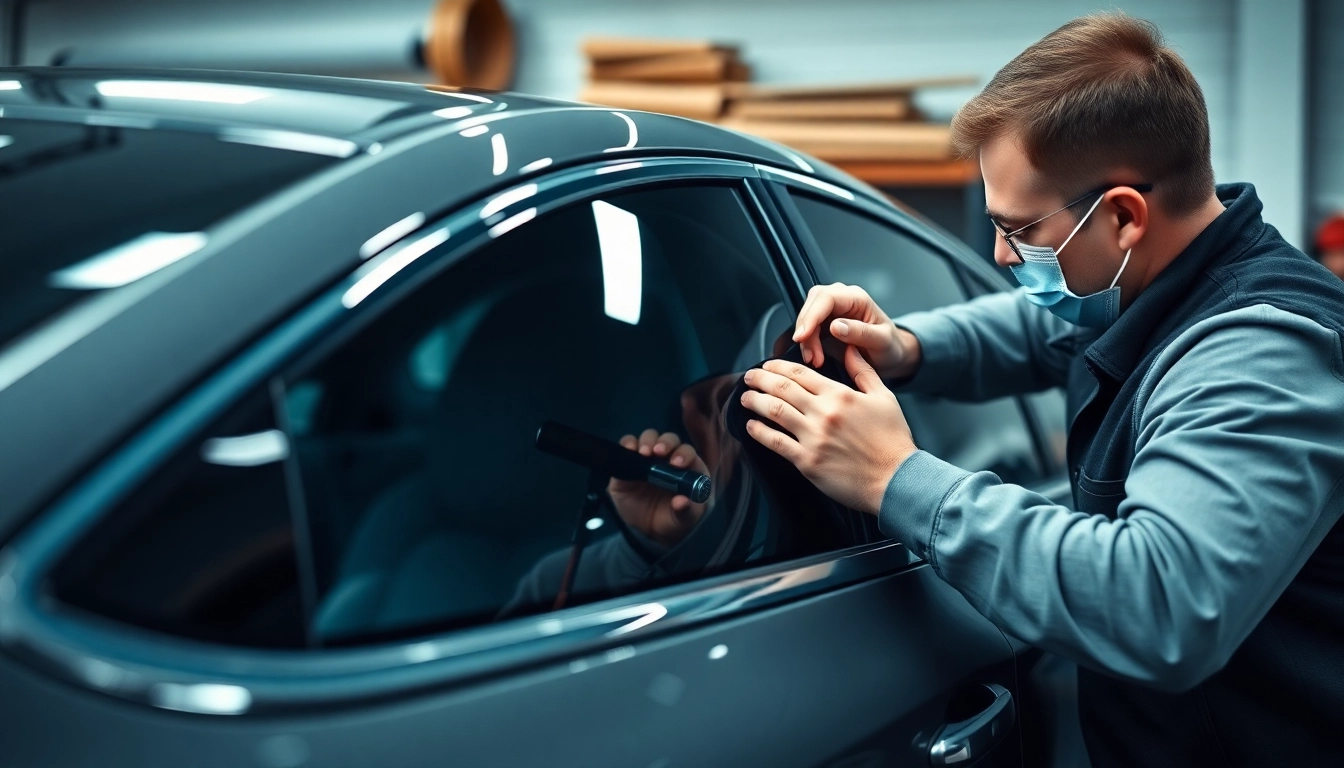
The installation process usually begins with the technician measuring each window to ensure a precise fit. After cutting the film to size, they will apply heat to activate the adhesive and expertly place the tint on the window’s interior. Finally, they will use a squeegee to remove bubbles and any excess solution before making necessary adjustments. This careful process ensures high-quality results and longevity of the tint.
Post-Installation Care and Maintenance
Once window tint is installed, specific care is paramount to maintain its integrity. Generally, it’s advisable to avoid rolling down windows for a few days to allow the adhesive to cure. Clean the windows with non-ammonia cleaners to avoid damaging the film, and be cautious with sharp objects to prevent scratches. Follow any specific guidelines provided by your installer for optimal maintenance practices.
Common Misconceptions About Window Tinting
Myths vs. Facts: Visibility Concerns
Many people believe that darker tints reduce visibility and cause safety hazards. However, quality window tints are designed to comply with safety standards while providing adequate visibility at both day and night. Proper assessments ensure that visibility remains intact, so driving safety is not compromised.
Debunking the Heat Rejection Myth
Some misconceptions suggest that window tinting does not significantly impact heat reduction. In truth, higher-quality films can block up to 95% of infrared radiation, providing a noticeable temperature difference inside the vehicle or room. This efficacy can lead to reduced reliance on air conditioning, enhancing energy savings.
Explaining the Lifespan of Window Tint
There is a notion that all window tints will fade or bubble over time. While it's true that lower-quality films may deteriorate faster, premium films can last over a decade with proper care. Investing in higher-quality options, along with professional installation, greatly enhances the lifespan and functionality of window tinting.
FAQs about Window Tinting
How long does window tint last?
The lifespan of window tint can vary but quality films often last between 5 to 12 years depending on factors like application, film type, and care.
Does window tint reduce glare?
Yes, window tint significantly decreases glare from the sun, improving visibility and comfort for both drivers and passengers.
Can I install window tint myself?
While DIY kits exist, professional installation is recommended for optimal results, as improper application can lead to bubbling and peeling.
Is window tinting legal in Tennessee?
Tennessee has specific regulations on tint levels, requiring that the front windshield allows more than 70% of light in. Always check local laws before tinting.
Can window tinting help with energy bills?
Yes, by blocking heat, window tinting can reduce the need for excessive air conditioning, potentially lowering energy bills in homes and vehicles.