
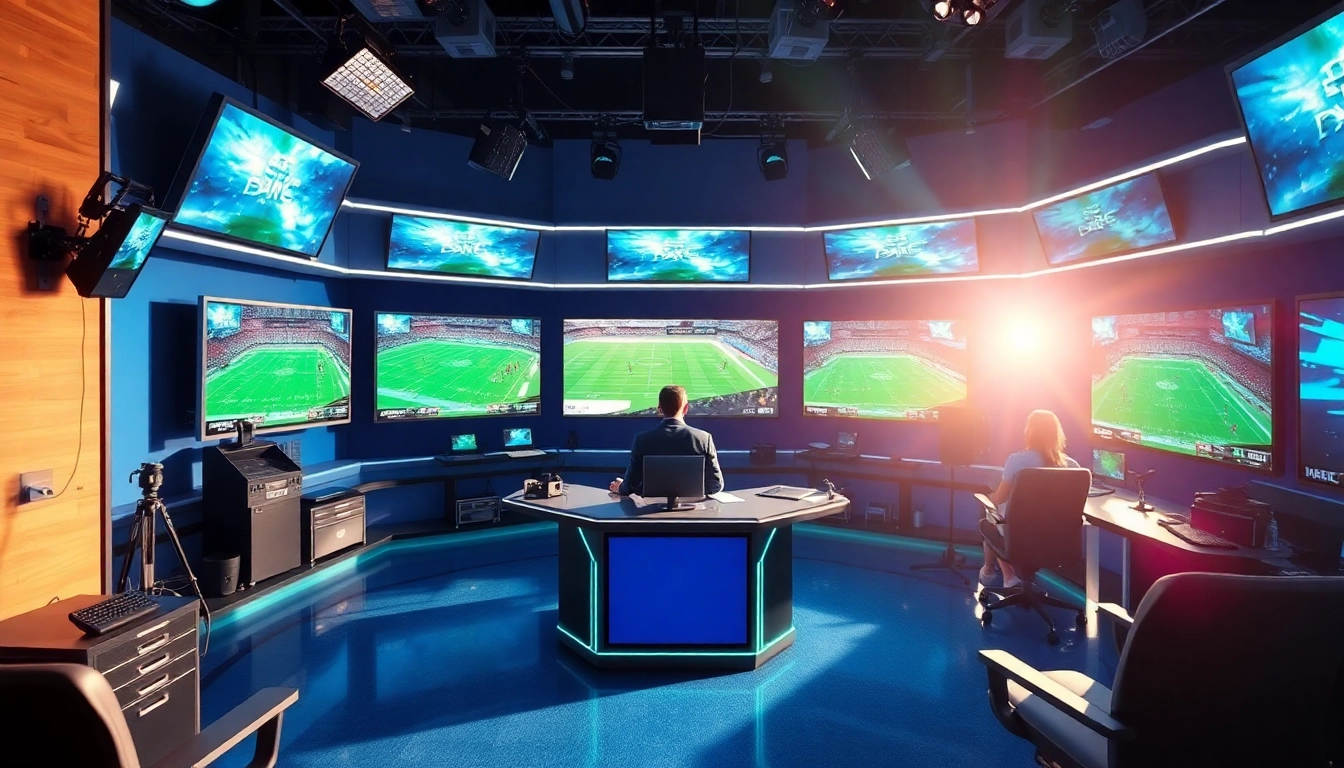
Understanding Sports Broadcasting Fundamentals
What is Sports Broadcasting?
Sports broadcasting refers to the electronic transmission of sports events and related content to a wide audience through telecommunication networks. It plays a vital role in connecting fans with their favorite sports, providing live coverage of matches, commentaries, analyses, and highlights. Historically, sports broadcasting started with radio and transitioned to television, but the rise of digital media has significantly transformed the landscape. Today, online platforms allow real-time streaming of sports events, making it essential for broadcasters to adapt to evolving consumer preferences. For more insights into Sports Broadcasting, it’s important to understand the various facets that contribute to its effectiveness.
The Role of Technology in Sports Broadcasting
Technology is the backbone of modern sports broadcasting. High-definition cameras, drones, and virtual reality are just a few examples of the tools that enhance viewer experience. The integration of graphics and analytics provides additional layers of insight, allowing audiences to engage with the game in unprecedented ways. Furthermore, advancements in streaming technology enable broadcasters to deliver high-quality live feeds to viewers worldwide, irrespective of their location. The use of enhanced audio and video effects also contributes to storytelling, making sure that audiences are not just passive viewers but active participants in the excitement of the event.
Key Skills for Sports Broadcasters
Successful sports broadcasters require a diverse skill set. Key skills include exceptional communication abilities, analytical thinking, and a deep understanding of the sport. Broadcasters must be able to convey information clearly, whether they are commentating live on a game or conducting interviews. Furthermore, they should be adept at using technology to enhance their broadcasts and possess strong research skills to provide in-depth insights during discussions. Additionally, developing a unique voice and style can significantly enrich the personal brand of a broadcaster, giving them an edge in a competitive field.
Content Creation in Sports Broadcasting
Researching and Preparing for Broadcasts
Preparation is crucial for any sports broadcaster. This involves extensive research of teams, players, and statistics. Prior to broadcasts, commentators must analyze recent performances, injury reports, and historical matchups to offer viewers a comprehensive understanding of the event. Utilizing analytics and insights can enhance this process, allowing broadcasters to prep informative segments and anticipate key moments. Furthermore, creating a detailed rundown helps in structuring the broadcast, ensuring that crucial information is communicated effectively without overwhelming the audience.
Storytelling Techniques for Effective Coverage
Storytelling in sports broadcasting goes beyond mere play-by-play commentary. It involves presenting narratives that resonate with viewers, building emotional connections with the events. Broadcasters should highlight individual player journeys, team struggles, and pivotal moments in sports history to engage their audience. Effective use of interviews, behind-the-scenes footage, and historical context can deepen viewer engagement. Ultimately, a strong narrative transforms a simple game into a compelling story, fostering loyalty among fans and enhancing the overall viewing experience.
Using Graphics and Visuals in Sports Broadcasting
The integration of graphics and visuals is essential in contemporary sports broadcasts. Infographics illustrating player stats, interactive displays showcasing game simulations, and on-screen score updates enhance viewer engagement significantly. These visual elements must complement the narrative, offering clarity and deeper context without distracting from the game itself. Additionally, replay technology allows audiences to revisit critical moments, making broadcasts more interactive and informative than ever before.
Audience Engagement Strategies
Building a Loyal Viewership
Building a loyal audience requires consistent, quality content that meets viewer expectations. Engaging with fans through polls, questions, and interactive segments creates a sense of community. Broadcasters should be transparent in their communication, providing updates and responding to audience feedback on social media platforms. Establishing a recognizable brand, complete with a unique tone and style, will help viewers feel more connected and invested in the broadcast. Loyalty rewards, such as exclusive content or behind-the-scenes access, can further encourage viewer retention.
Utilizing Social Media for Fan Interaction
Social media platforms like Twitter, Instagram, and Facebook are instrumental for sports broadcasters. These platforms not only provide a place for real-time updates and fan engagement but also allow for deeper interactions through comments, shares, and likes. Engaging directly with audiences through Q&As, live chats, and interactive stories can enhance viewer connection with the broadcaster. Content should be tailored to each platform to maximize engagement, providing fans with consistent and intriguing information that invites participation.
Live Streaming vs. Traditional Broadcasting
The shift from traditional broadcasting to live streaming has transformed audience consumption habits significantly. Live streaming offers viewers the flexibility to watch their favorite sports on various devices anytime and anywhere. Unlike traditional broadcasting, which is often constrained by time slots and geographical limitations, streaming services provide a more personalized viewing experience. However, traditional broadcasters retain a robust following due to their established credibility and structured programming. To stay competitive, broadcasters must adopt hybrid approaches that offer both live streaming options while maintaining quality programming.
Legal and Ethical Considerations
Understanding Broadcasting Rights
Broadcasting rights are critical in sports broadcasting, as they dictate what content can be shown and on which platforms. Each sport and league has specific agreements that determine media rights sales, which vary in value significantly. It’s essential for broadcasters to navigate these complexities effectively to avoid infringement issues and ensure compliance with contracts. Moreover, understanding the audience demographics and preferences can help broadcasters align their offerings with the rights they acquire, maximizing engagement and profitability.
Ethical Reporting in Sports Journalism
Ethical journalism is crucial in elaborating sports stories accurately and responsibly. Broadcasters must ensure that their reporting maintains integrity, avoids sensationalism, and respects individuals’ rights, particularly in sensitive situations such as injury reports or personal struggles. Striving for fairness and objectivity fosters trust among viewers and enhances the credibility of the broadcast. Broadcasters should also adhere to guidelines set forth by recognized journalism organizations to promote high standards in reporting practices.
Navigating Copyright Issues in Sports Broadcasting
Copyright issues are a significant legal concern in sports broadcasting, particularly regarding the use of footage, music, and graphics. Broadcasters must secure the necessary licenses to avoid potential liabilities. Fair use may apply in specific instances, such as commentary or education, but it is essential to consult legal experts when in doubt. Ensuring that all content is properly credited and licensed protects broadcasters from lawsuits and fosters respect for intellectual property rights.
Future Trends in Sports Broadcasting
Impact of Streaming Services on Traditional Sports Broadcasting
The rise of streaming services has dramatically altered the sports broadcasting landscape, compelling traditional broadcasters to adapt rapidly. Streaming platforms offer viewers personalized experiences through on-demand content and flexible viewing options. As audiences gravitate towards these services, traditional broadcasters face challenges in maintaining their market share. Partnerships with streaming platforms or creating hybrid models that combine both formats will be essential for maintaining relevance and providing viewers with choices tailored to their preferences.
Emerging Technologies Shaping the Future
Emerging technologies such as artificial intelligence, augmented reality, and big data analytics are set to shape the future of sports broadcasting. AI can streamline the production process, automate highlights generation, and provide real-time analytics for improved commentary. Augmented reality enhances the viewer experience by adding interactive elements to live broadcasts. Simultaneously, data analytics enables broadcasters to understand audience behavior better, refining content strategy and driving engagement through personalized experiences. These innovations make broadcasts more immersive and interactive, markedly enhancing the overall viewer satisfaction.
Predictions for Sports Broadcasting Over the Next Decade
The sports broadcasting industry is poised for significant transformations in the coming decade. The integration of more mobile technology, a shift towards personalized content, and the rise of eSports broadcasting are already notable trends. As viewers continue to demand higher flexibility and richer experiences, broadcasters will need to innovate constantly. Adapting to evolving technologies and consumer behavior will be vital for sustaining viewership and ensuring that broadcasting not only meets current demands but anticipates future preferences as well.
FAQs about Sports Broadcasting
What is sports broadcasting?
Sports broadcasting is the electronic transmission of sports events to audiences via radio, television, or online platforms. It includes live coverage, analysis, and commentary.
What technologies are used in sports broadcasting?
Sports broadcasting utilizes high-definition cameras, drones, augmented reality, and analytics software to enhance viewer experience and provide real-time insights.
How do broadcasters engage their audience?
Broadcasters engage audiences through social media interactions, live chats, polls, and creating compelling narratives that foster community and loyalty.
What are the legal aspects of sports broadcasting?
Legal aspects include understanding broadcasting rights, navigating copyright issues, and adhering to ethical practices in journalism to maintain integrity and compliance.
What is the future of sports broadcasting?
The future will likely see increased personalization, more integration of emerging technologies like AI and VR, and deeper engagement strategies via streaming platforms.