
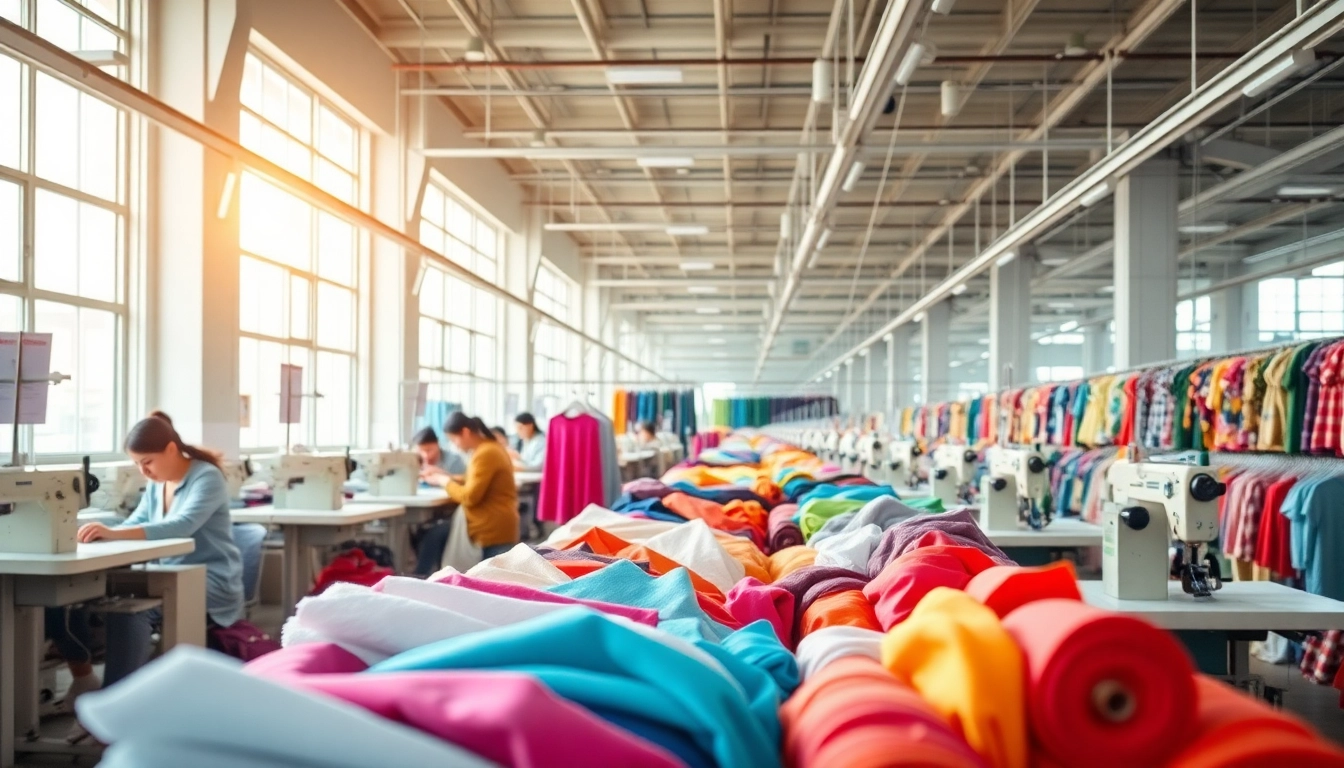
The Role of Clothes Factory China in Global Apparel Supply Chain
Understanding Apparel Manufacturing
The garment industry is an intricate tapestry woven from various segments, ranging from design concept to the finished product. Understanding apparel manufacturing involves a grasp of textiles, production processes, and the pivotal role that Clothes Factory China plays in the broader supply chain. This section will dissect these components to provide a holistic picture of modern manufacturing practices.
At its core, apparel manufacturing includes multiple stages such as fabric sourcing, garment assembly, quality control, and distribution. Factories in China are often designed with standardized processes that promote efficiency, reduce waste, and scale up production. Understanding these stages highlights not only the production capabilities but also how different factors, including labor, resources, and technology, influence the final product.
Key Benefits of Sourcing from China
Sourcing from Clothes Factory China brings forth a multitude of advantages. One of the primary benefits is cost efficiency. Labor costs in China, although rising, remain lower relative to many Western economies. This cost differential enables brands to produce at a lower price, enhancing their competitive edge.
Additionally, the vast network of suppliers and manufacturers in China demonstrates the country’s manufacturing capabilities. This ecosystem allows for quicker turnaround times and adaptability in production. With numerous specialized factories, brands can find the right fit for their specific needs, whether that be fast fashion or high-end tailored garments.
Insight into Production Processes
The production processes in Clothes Factory China vary significantly based on the type of garment being produced, but typically involve several core steps: designing, pattern making, fabric selection, sample making, cutting, sewing, and finishing. Advanced techniques such as automated fabric cutting and digital sewing machines help streamline these processes.
Moreover, many factories utilize lean manufacturing practices. This approach focuses on minimizing waste while maximizing productivity, allowing for more sustainable practices in the production process. For example, just-in-time inventory systems ensure that materials are delivered precisely when needed, reducing excess stock and storage costs.
Quality Control Standards in Clothes Factory China
Implementing Quality Assurance Practices
Quality is imperative in apparel manufacturing, especially with increasing consumer expectations. Clothes Factory China has developed robust quality assurance protocols to ensure every garment meets specified quality standards before it reaches the consumer. This includes systematic inspections at various stages of production.
For instance, in-process quality checks during the sewing phase can identify defects early on, preventing costly rework later in the production cycle. Furthermore, final inspections verify that each item adheres to defined specifications, ensuring consistency and reliability.
Common Challenges with Quality Management
Despite the established quality control measures, challenges persist in maintaining high standards. One of the most significant issues is the variability in material quality sourced from different suppliers, which can impact the final product. Moreover, the sheer scale of operations can sometimes lead to lapses in the quality assurance processes.
Addressing these challenges requires rigorous supplier evaluations, ongoing training for quality control personnel, and a commitment to continuous improvement in production standards.
Technologies Improving Quality Control
Innovative technologies are reshaping how quality control is approached in Clothes Factory China. Automation paired with advanced analytics allows factories to monitor production quality in real time, thereby quickly identifying and rectifying issues. For example, using machine learning algorithms can predict potential defects based on historical data.
Moreover, technologies like computer-aided design (CAD) and digital textile printing enable greater precision in designs and patterns, reducing discrepancies in production. The adoption of Internet of Things (IoT) devices allows for better tracking of production metrics, ensuring quality benchmarks are constantly met.
Cost Efficiency and Economies of Scale
How Clothes Factory China Offers Competitive Pricing
The competitive pricing model offered by Clothes Factory China on apparel manufacturing stems from a combination of lower labor costs, high production capacity, and efficient supply chain management. Economies of scale play a critical role here, as larger production runs lead to reduced costs per item.
Additionally, the consolidation of raw material sourcing and production capabilities within China allows companies to acquire materials at a lower cost, further improving pricing structures. For brands keen on maximizing profitability, outsourcing production to China presents a compelling business case.
Understanding Labor Costs and Operational Efficiency
Labor costs are a fundamental factor in the pricing structure of garment production. In China, while wages have increased in recent years, the labor force remains one of the most skilled and efficient globally, making it economically viable for brands to maintain production there.
Operational efficiency is enhanced through workforce training, streamlined processes, and the adoption of technology that reduces manual labor requirements. Consequently, factories can produce higher volumes of garments over shorter periods, effectively addressing market demands.
Balancing Cost with Quality
The challenge for brands lies in balancing cost with quality. A focus solely on minimizing expenses may compromise the quality and reputation of the brand. Therefore, selecting a factory that aligns with both budgetary constraints and quality standards is crucial.
Brands must evaluate potential partners carefully, ensuring that cost-effective production does not negatively impact quality. Agreements with factories should include comprehensive quality control stipulations to ensure that both parties have clear expectations.
Ethical Manufacturing in Clothes Factory China
Addressing Labor Rights and Standards
As global consumers become more conscious of ethical sourcing, the responsibility of Clothes Factory China in upholding labor rights has come under scrutiny. Prominent issues include working conditions, wage levels, and labor rights advocacy. Factories are now increasingly focusing on ethical compliance measures to align with international standards.
Engagement with third-party certifications and audits can help factories demonstrate their commitment to fair labor practices. This approach not only enhances brand reputation but also attracts consumers who prioritize ethically produced goods.
Environmental Considerations in Production
In addition to labor rights, environmental sustainability is becoming an essential component of manufacturing practices in Clothes Factory China. Adopting eco-friendly practices involves incorporating sustainable materials, reducing waste, and minimizing carbon footprints.
Factories are implementing waste management strategies and analyzing production techniques to reduce environmental impact. Such initiatives may include recycling fabrics and utilizing water-efficient processes during production, which respond to increasing global environmental awareness.
Transparency in the Supply Chain
Transparency is vital in building consumer trust, particularly concerning ethical manufacturing. Clothes Factory China can enhance transparency by providing clear information about production processes, sourcing materials, and labor practices. This entails maintaining open lines of communication with brands and stakeholders throughout the supply chain.
Implementing blockchain technology can further promote transparency by tracking each garment’s journey from raw material to final product, ensuring that consumers have insight into the ethical practices that govern their purchases.
Future Trends in the Garment Industry
The Impact of Technology on Manufacturing
As technology continues to advance, its impact on garment manufacturing becomes more significant. From using AI for product design to robotics in assembly lines, innovations are poised to revolutionize how garments are produced. This shift could lead to increased production speed, enhanced quality, and reduced labor costs in Clothes Factory China.
Adapting to these changes will be crucial for manufacturers looking to maintain competitiveness in a rapidly evolving market. Investing in technology not only modernizes production but also aligns with consumer expectations for innovation in the products they purchase.
Sustainable Practices in Clothes Factory China
As sustainability trends gain momentum, Clothes Factory China is likely to see an increased emphasis on eco-friendly production methods. This may encompass utilizing organic materials, adopting renewable energy sources, and prioritizing eco-efficient technologies.
Brands must not only adopt sustainable practices but also showcase them in their marketing strategies. As consumers become more informed, their purchasing decisions will significantly favor brands demonstrating genuine commitment to sustainable practices.
Anticipating Market Changes and Consumer Demands
To succeed in the future, Clothes Factory China must remain attuned to market changes and evolving consumer demands. The rise of fast fashion, coupled with the desire for personalization and unique designs, requires factories to be adaptable and responsive.
Future growth will hinge on manufacturers’ abilities to pivot according to emerging trends, whether that involves producing smaller quantities of unique designs or accelerating production cycles to meet fast-changing consumer preferences.
Frequently Asked Questions
What are the primary benefits of sourcing from Clothes Factory China?
The primary benefits include cost efficiency, access to a large network of suppliers, and faster production times due to the established manufacturing ecosystem.
How does Clothes Factory China ensure quality control?
Quality control is ensured through systematic inspections during production, comprehensive final product evaluations, and ongoing supplier assessments.
What challenges are associated with manufacturing in China?
Challenges include variability in material quality, quality management lapses, and balancing cost with expected quality standards.
What role does technology play in modern apparel manufacturing?
Technology enhances manufacturing efficiency through automation, real-time monitoring of quality, and integrating advanced design tools to enhance production accuracy.
How are ethical manufacturing practices recognized in Clothes Factory China?
Ethical manufacturing practices are recognized through adherence to labor rights standards, environmental regulations, and transparency initiatives, often verified by third-party audits.